
[keyword


[keyword]
Play Piano with Freedom, Confidence, and Expression
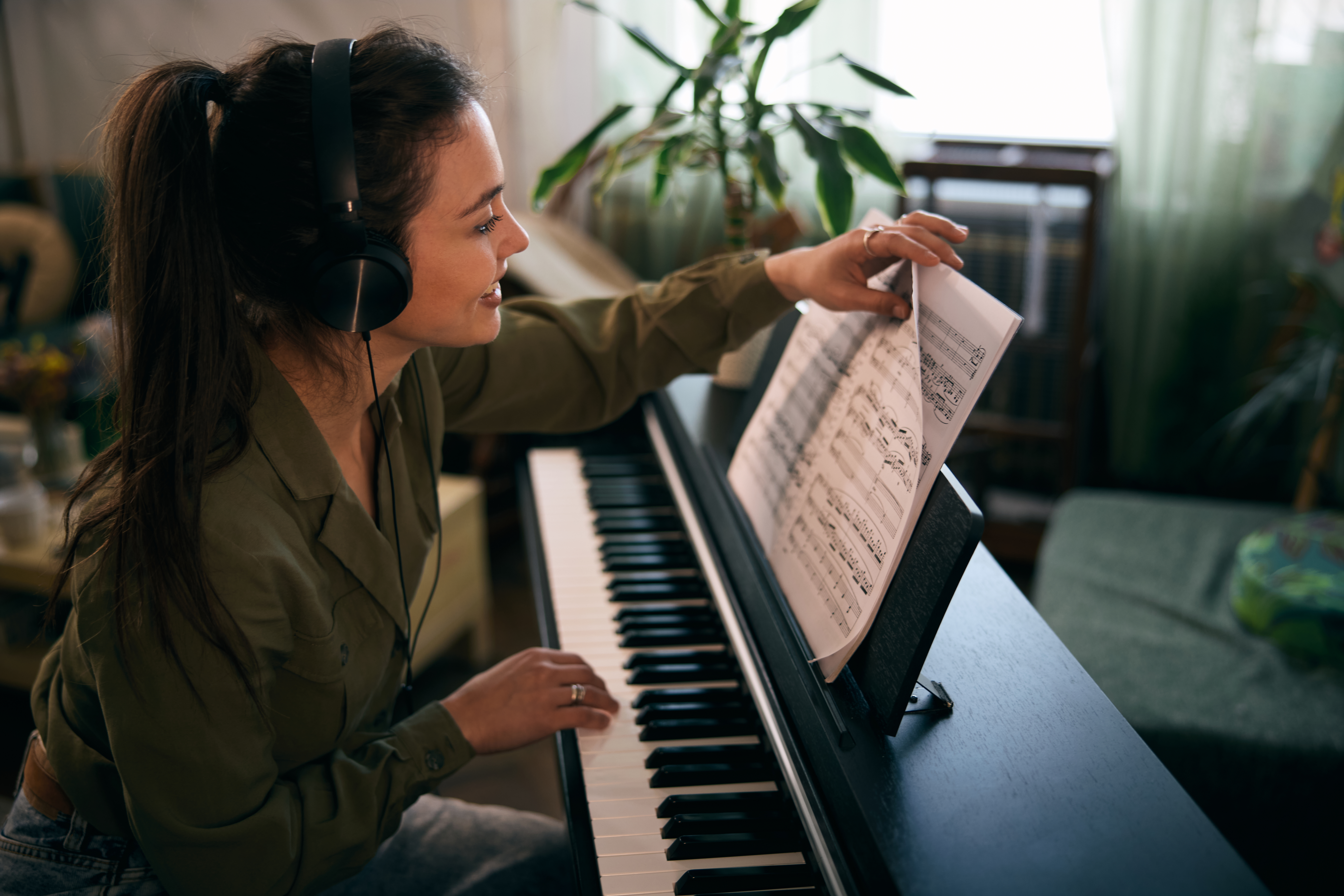
You've learned the notes. Now it's time to make music.
At NextLevel Piano Studio, you'll learn how to transform simple songs into rich, expressive piano arrangements—without feeling trapped by sheet music.
You will learn the musical skills to create arrangements of your favorite hymns, timeless classics, Disney melodies, or the songs you grew up loving that sound full, emotional, and uniquely your own.
Additional Services


More Than Just Piano Lessons ...
The NextLevel Piano Method helps intermediate pianists break free from simply reading notes and start truly making music. You'll learn the techniques professional pianists use to create beautiful arrangements, play by ear, and express yourself naturally at the piano.
This isn't about just learning more songs—it's about becoming a more complete musician. Through a practical, step-by-step approach, you'll develop the skills to arrange, improvise, and play confidently without relying on sheet music.
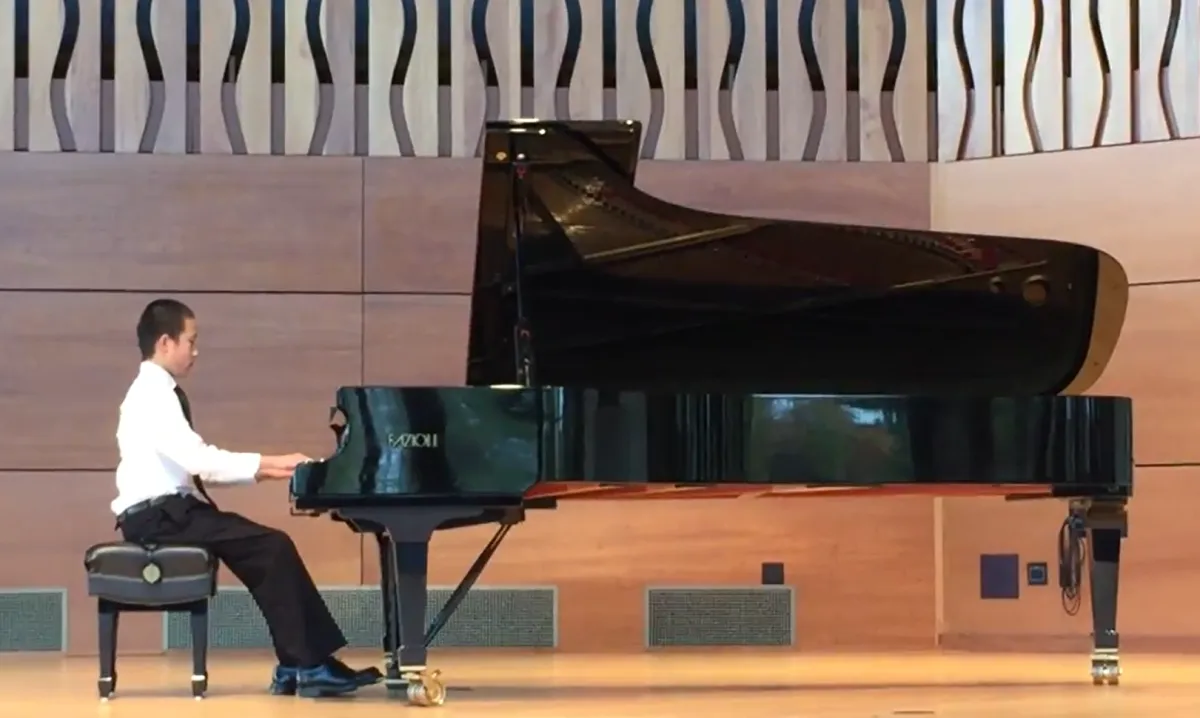
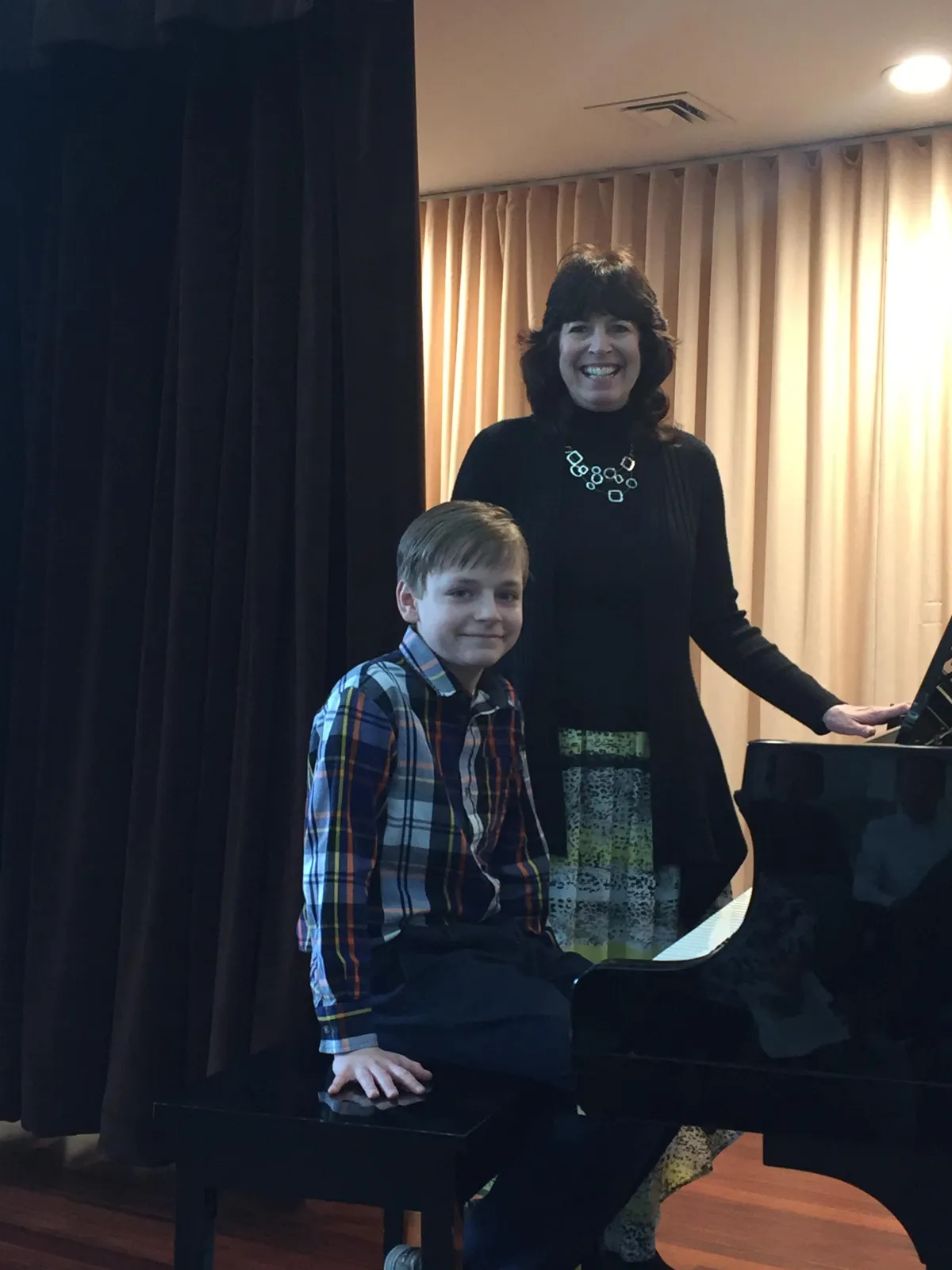
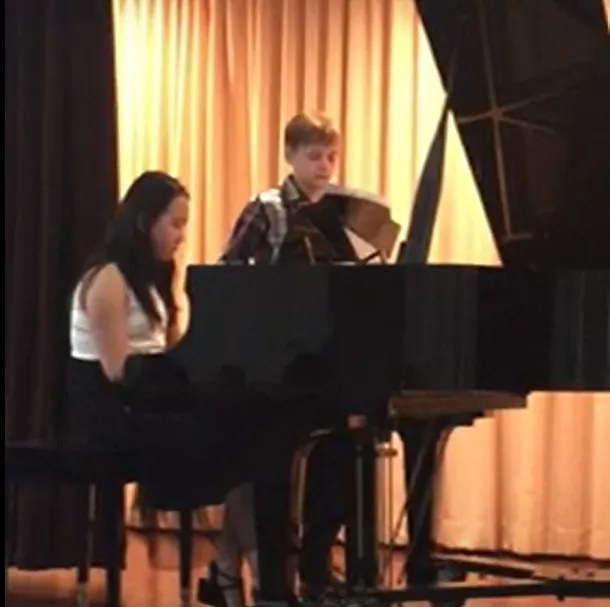
Our Students Playing On Stage After Taking Our Piano
How It Works
Step 1
Select a time that works for you to schedule your free piano lesson at Branford Music Studio. Simply click on one of the green buttons on our website to access our calendar and reserve your spot.
Step 2
Once you've scheduled your free piano lesson, we'll send you some introductory tips to help you get the most out of your experience with us. Additionally, you will receive the address of the studio with the best nearby places to park if you're driving.
How our Piano Work
At Branford Music Studio, we provide piano lessons for students of all skill levels. Our experienced instructors will guide you on your musical journey and help you reach your goals. The piano lessons are designed to be fun, interactive and personalized to each student's needs and preferences, allowing you to progress at your own pace. You'll learn the fundamentals of piano playing like technique, scales, rhythm, and melody, and you'll also be able to learn your favorite songs. With our lessons, you'll be able to showcase your new piano skills and impress your friends and family in no time.


Cost of piano lessons at Branford Music Studio
Branford Music Studio provides piano instruction for individuals of all ages and abilities. Our aim is to create a welcoming and encouraging atmosphere for our pupils, recognizing that learning to play the piano can be challenging.
Our goal is to assist our students in discovering their own unique style and allowing them to express themselves through the piano. To support this, we offer flexible scheduling to accommodate our students' individual needs and learning pace.
Meet Your Piano Teacher
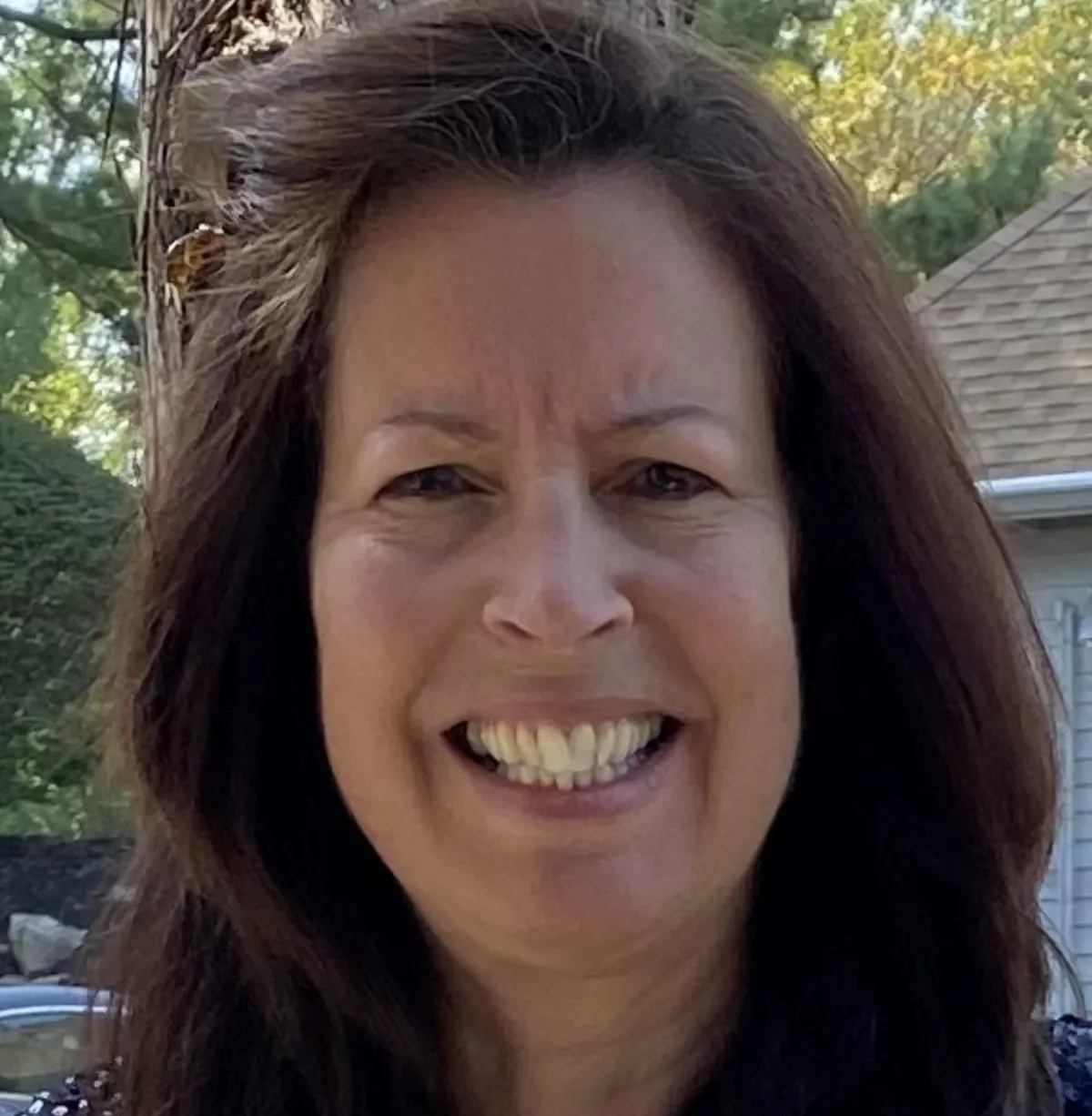
Linda Franklin-Biggs
NextLevel Piano Studio Specializes In:
Piano Lessons
Ear Training
Music Theory
Open Hours
Monday - Friday: 9:00 AM - 5:00 PM
Saturday: 10:00 AM - 2:00 PM
Sunday: Closed
Social Media
Piano FAQs
Frequently Asked Questions About Learning The Piano
Q: What is the appropriate age to begin piano lessons?
A: There is no set age that is "too young" to start learning piano, as every child develops at their own pace. However, it is generally recommended that children start piano lessons around the age of 5 or 6. At this age, children have usually developed the fine motor skills and attention span necessary to begin learning an instrument. It's also important to consider a child's interest and motivation in learning piano.
If a child is excited about learning and can sit still for short practice sessions, they may be ready to start learning piano at a younger age.
Q: Is it essential to know how to read sheet music in order to learn piano?
A: Reading sheet music is an important skill for a piano player, but it is not essential to know how to read sheet music in order to learn piano. Some students may prefer to learn by ear, or by using chord charts and other instructional materials that do not require reading sheet music.
However, learning to read sheet music can greatly enhance a student's understanding of music and their ability to play a wider range of pieces. Many piano teachers will teach reading sheet music alongside other aspects of piano playing, so it's a skill that can be developed gradually as the student progresses.
Q: How long does it typically take for a student to become proficient at playing the piano?
A: Learning to play the piano can take different amounts of time for different people. For some, it might take a few months to learn the basics, like how to sit and hold their hands on the piano. For others, it might take longer. But with lots of practice and good lessons, you can get better and better at playing the piano. It can take a while to learn how to play songs that are more difficult, but with time and practice, you'll get there!
Q: What suggestions would you offer to parents thinking about starting piano lessons for their kids?
A: If parents are considering piano lessons for their children, it is important to make sure that the child is interested and motivated to learn. It is also important to find a qualified and experienced piano teacher who can tailor lessons to the child's individual needs and learning style.
Additionally, it's important to establish a regular practice routine and to create a supportive and encouraging learning environment at home.
Q: What kind of skills and techniques are taught in a piano lesson?
A: In a piano lesson, a student can expect to learn a variety of technical and theoretical skills that are essential to playing the piano. These may include proper posture and hand positioning, finger exercises, scales and arpeggios, chord progressions, and interpreting sheet music.
Additionally, students will work on pieces to improve their performance skills, musical expression and interpretation of the composition. To enhance the musical understanding and to increase the student's knowledge of music, lessons may also include music theory, ear training, and sight-reading. The student's level, goals and interests will determine the specific focus and pace of the lesson.
Q: Is musical talent a requirement for playing the piano?
A: It is not necessary to have innate musical ability to learn how to play the piano. While some people may have a natural aptitude for music, others may need to work harder to develop their skills. However, with dedication and consistent practice, anyone can learn to play the piano to a certain level of proficiency. A good piano teacher can help to develop a student's skills, regardless of their starting point.